
The Architect
First ULGC President
Claudie Clark
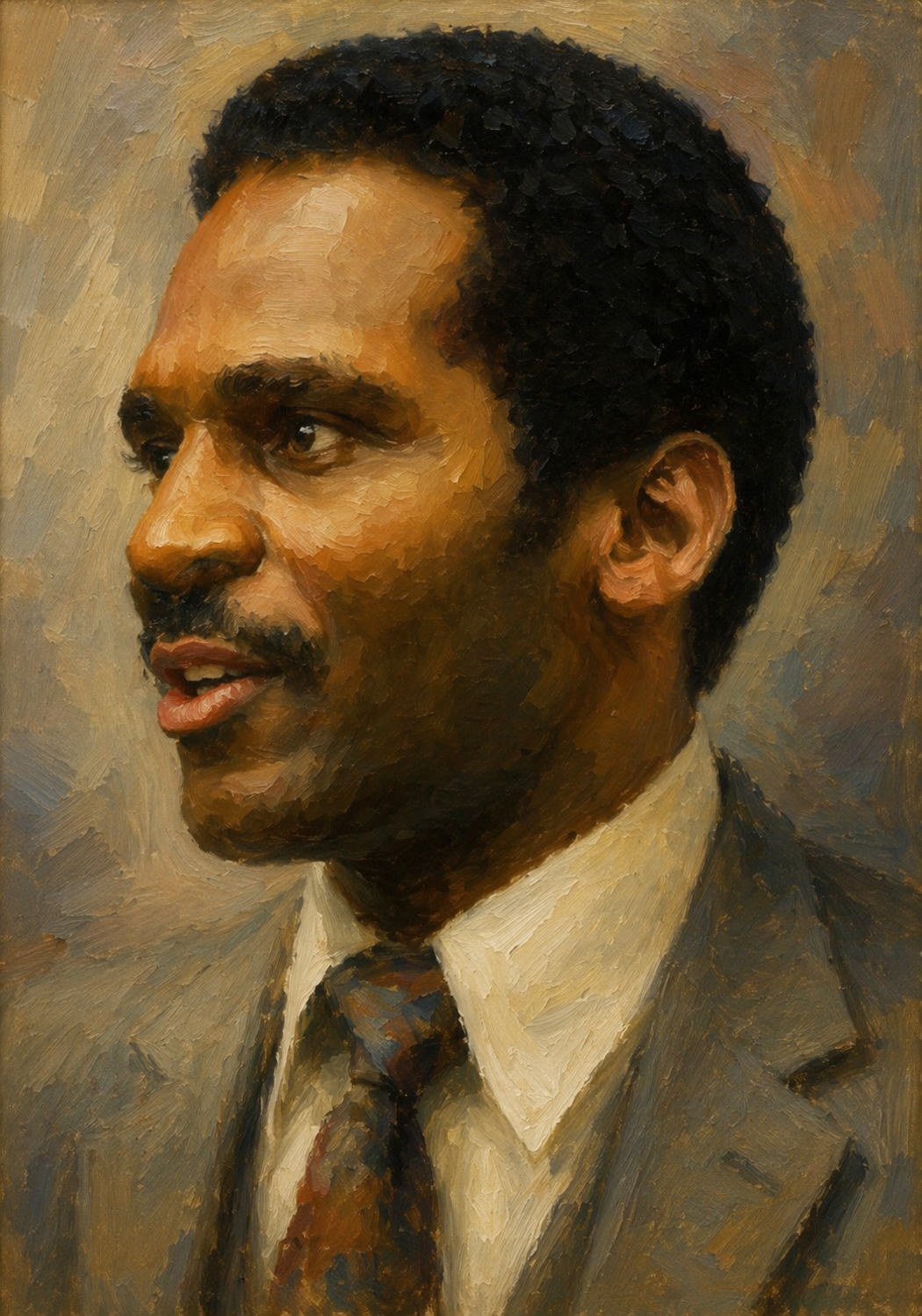
Claudie Clark stands as the architect of what would become the Urban League of Greater Chattanooga, a visionary leader whose belief in equity, opportunity, and human potential laid the foundation for the organization’s existence.
In 1978, Clark initiated the effort to establish a local Urban League affiliate in Chattanooga, driven by a clear understanding that the city needed a structured, mission-driven organization focused on advancing economic opportunity and addressing systemic inequities. At a time when such an effort required both courage and persistence, he began building the relationships and community support necessary to bring the vision to life.
By 1981, that vision had taken formal shape with the election of the organization’s initial Board of Directors, marking the transition from concept to institution. Clark’s leadership during this period was instrumental in aligning community stakeholders and establishing the governance structure required for long-term sustainability.
In 1982, the Chattanooga Area Urban League officially gained affiliation with the National Urban League, a defining milestone that formalized the organization’s place within a national movement dedicated to economic empowerment and civil rights. With this achievement, the organization also appointed its first executive director, solidifying its operational foundation.
Clark’s philosophy was clear and unwavering:
“[The Urban League] is a volunteer organization open to all people who believe that America shortchanges itself by wasting human potential without equal opportunity for all Americans.”
This belief became the cornerstone of the organization’s identity. His leadership was not about building programs alone, it was about building a platform for opportunity, inclusion, and long-term impact.
Claudie Clark did not simply start an organization. He established a mission, a structure, and a standard that continues to guide the Urban League of Greater Chattanooga today.
The Early Years
Lewis L. Goss
(1982 -1983)
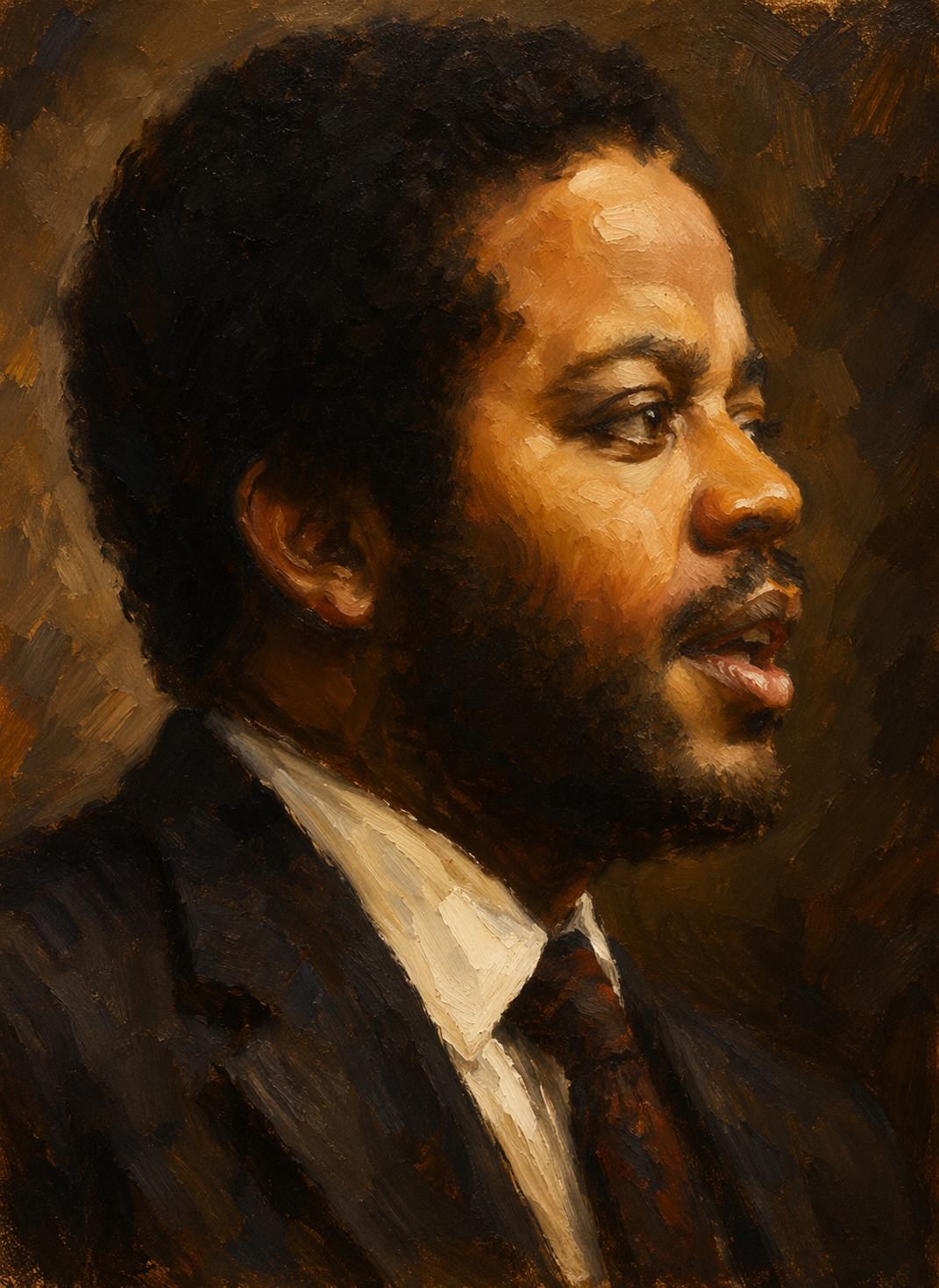
Lewis L. Goss served as President of the Chattanooga Urban League during a brief but important period in the early 1980s. His leadership came at a time when the city, like many mid-sized industrial communities, was facing significant economic and social challenges, including job loss, infrastructure decline, and persistent racial disparities.
While documentation of his tenure is limited, his service represents a transitional moment in the organization’s history, one that occurred prior to the major civic and economic revitalization efforts that would reshape Chattanooga in the years that followed. The Urban League during this period continued its core mission of advocating for economic opportunity, civil rights, and workforce access for African American communities navigating a rapidly changing local economy.
Goss’s time in leadership reflects an era where the organization maintained its presence and purpose under difficult conditions, helping sustain the institutional continuity that would later enable growth and expansion under future leadership. Board felt he emphasized organization and establishment before growth and results
Jerome Page
(1983 -1991)
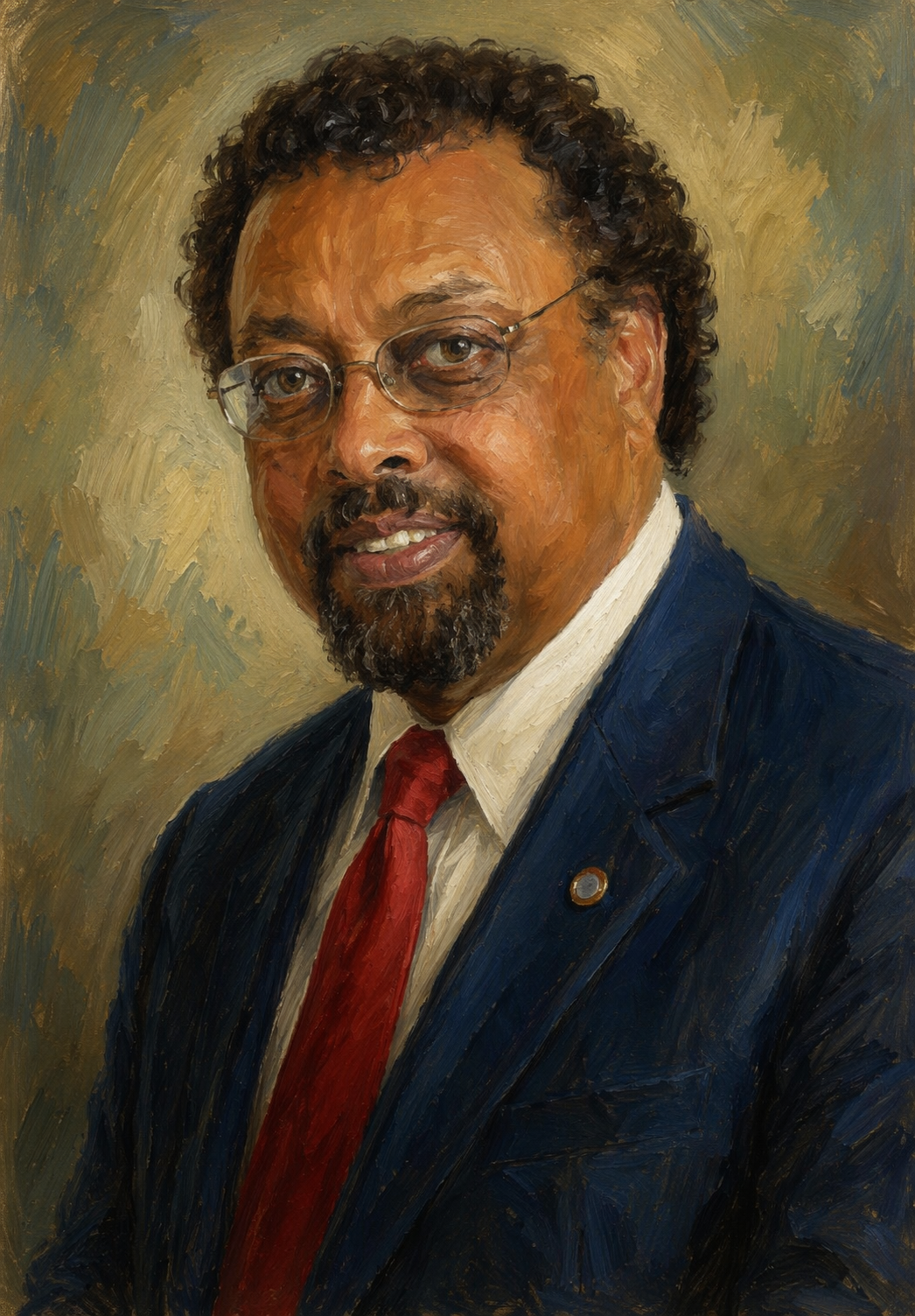
Jerome Page stands as one of the defining leaders in the history of the Chattanooga Urban League, a builder, a visionary, and widely regarded as a true Urban League legend. Initially brought in to train then- President Lewis L. Goss, Page quickly emerged as the leader the organization needed, assuming the role of President and CEO in 1983 and guiding the organization through nearly a decade of foundational growth.
From the outset, Page moved with intention. In 1983, he launched the organization’s first Equal Opportunity Day Dinner, establishing what would become a cornerstone event for celebrating achievement, strengthening relationships, and elevating the Urban League’s presence in the community. This was more than an event, it was a signal that the organization was stepping into a more visible and influential role.
His commitment to youth development followed immediately. In 1984, he introduced the Youth Achievement and Motivation Project, an early investment in preparing young people for leadership, education, and economic opportunity. This work reflected a broader philosophy that would define his tenure, building pipelines, not just programs.
That same year, Page led the organization’s move into 730 MLK Jr. Boulevard, placing the Urban League in a more prominent and accessible location within the community. While efforts to secure ownership of the building did not ultimately materialize, the move itself marked a critical step forward in establishing organizational presence and visibility.
Page also recognized early the importance of education and skills development in a changing economy. In 1986, he opened a word-processing training center, positioning the organization at the forefront of workforce readiness during a time when technology was beginning to reshape opportunity. This initiative marked the organization’s early expansion into education and digital skills training, laying groundwork that continues to define its mission today.
At the core of Jerome Page’s leadership was a clear and unwavering belief, that Black excellence belongs in every space. He lived that belief daily, not only through programs and initiatives, but through how he positioned the organization in the community, as visible, relevant, and unapologetically committed to expanding access and opportunity.
His tenure established the foundation for what the Urban League of Greater Chattanooga would become. He built presence, he built programs, and most importantly, he built belief, both within the organization and across the community it serves.
The Love Years
A Period of Organizational Realignment
Charles Love
(1992-1994)
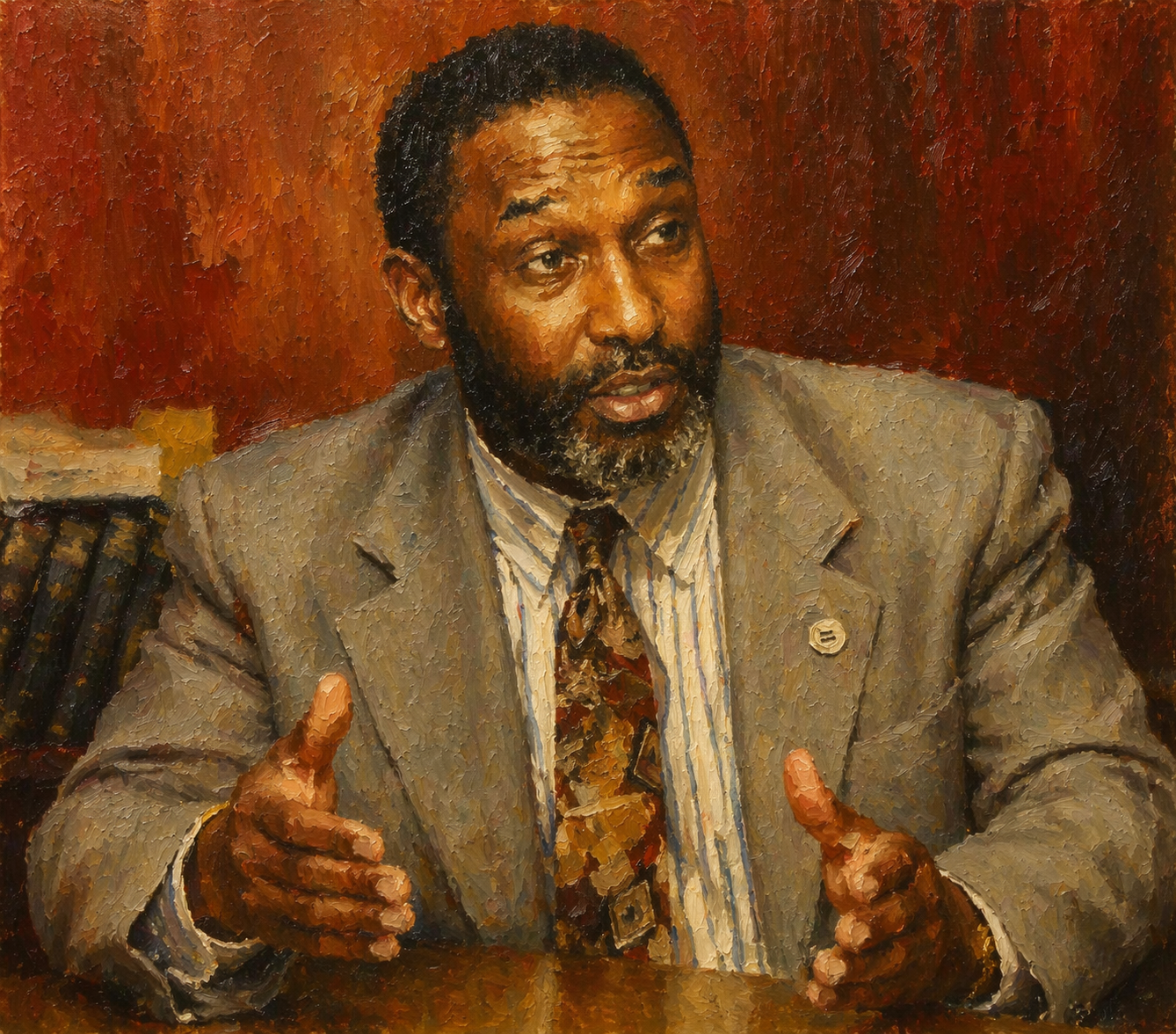
In March 1992, Charles E. Love was appointed to lead the Urban League of Greater Chattanooga, succeeding Jerome Page. He joined the organization from the Urban League of Greater Little Rock, bringing a forward-looking vision centered on expanding housing opportunities, strengthening employment programs, and introducing computer literacy initiatives at a time when access to technology was becoming increasingly important.
His tenure marked a period of transition and strategic thinking for the organization. Under his leadership, the Urban League explored new directions in program development, particularly in areas that would later become essential to economic mobility and workforce readiness.
There was strong interest in positioning the organization for broader influence, with an emphasis on building relationships and expanding its presence within both regional and national networks.
In reflection, the Love years represent a chapter of growth and exploration, one that contributed to the organization’s ongoing evolution and helped shape future priorities in housing, workforce development, and digital access.
The “Godfather” Visionary
The Logan Years
Warren E. Logan Jr.
(1995-2020)
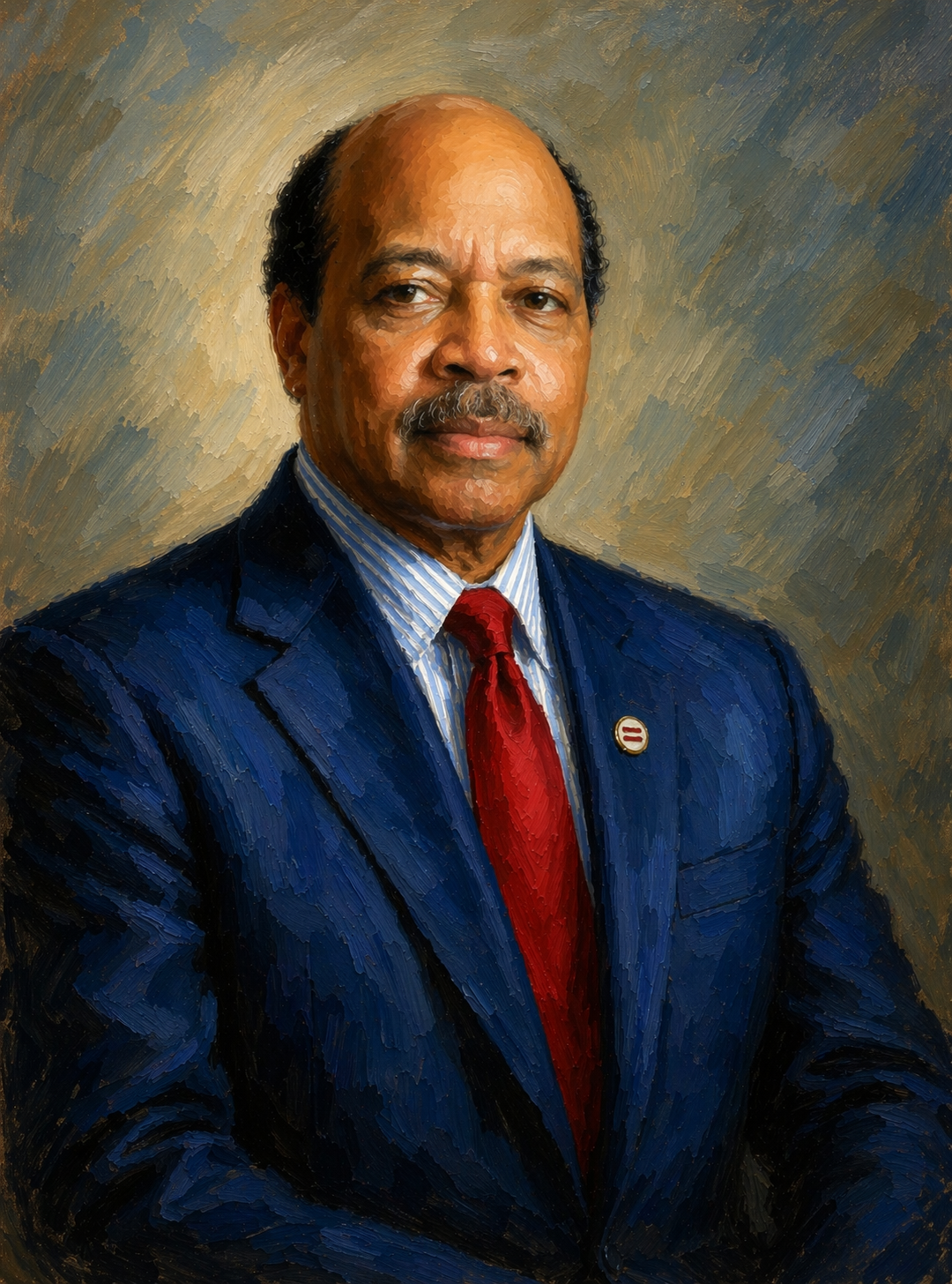
Selected in February 1995, Warren E. Logain assumed leadership of what was then the Chattanooga Area Urban League, guiding the organization through one of the most defining periods in its history. Over a 25-year tenure, the longest of any President and CEO in the organization’s history, he stabilized, rebuilt, and ultimately repositioned the agency for long-term impact. His service earned him recognition as a member of the National Urban League Quarter Century Club.
Under his leadership, the organization underwent a significant transformation, including its rebranding to the Urban League of Greater Chattanooga in 2002. This period marked a shift toward a more modern, program-driven model focused on economic mobility, workforce development, and leadership advancement.
Logain’s tenure was defined by a series of foundational initiatives that expanded the organization’s reach and relevance. In 2001, he launched early workforce development and digital skills training programs through the Eastgate Town Center facility, positioning the organization at the forefront of emerging workforce needs. He also led efforts to expand the organization’s physical footprint, including plans to renovate the historic Park Place School and initiating a headquarters feasibility study with support from the Lyndhurst Foundation.
Programmatically, he drove innovation across multiple sectors. In 2005, he introduced both the Health Empowerment Initiative and the Urban Youth Empowerment Program, UYEP, expanding the organization’s work into health and youth workforce development. He continued to invest in leadership and pipeline development, founding the Young Professionals Auxiliary in 2009 to engage the next generation of civic and business leaders.
His commitment to entrepreneurship and economic advancement led to the opening of the organization’s first Entrepreneurship Center in 2011, along with the launch of the SpringBoard business program. This work laid the groundwork for future business development efforts that remain central to the organization today.
By 2015, Logain advanced executive-level programming with the launch of the Next Level Streetwise MBA program and the inaugural Entrepreneur Power Luncheon, both designed to elevate minority-owned businesses and create pathways to scale and sustainability. He further expanded leadership development through the creation of Inclusion by Design in 2017, a fully funded, nine-month executive program aimed at advancing diverse leadership within the business community.
Beyond Chattanooga, Logain played a significant role on the national stage. He served as Chair of the National Urban League Association of Executives and as a member of the National Urban League Board of Trustees and Executive Committee. In 2012, he led a national African American leadership delegation to Beijing, China, as part of a trade and cultural mission focused on building international relationships and expanding opportunities.
In the later years of his tenure, he secured a historic, multi-year investment for Tennessee Urban League affiliates, delivering nearly $1 million per affiliate over three years. In 2019, he launched the Building Futures Construction Pilot, a targeted initiative to support minority contractors and expand access to certification and growth opportunities within the construction industry.
Warren E. Logain’s leadership defined an era. He did not simply maintain the organization, he built the infrastructure, programs, and partnerships that positioned the Urban League of Greater Chattanooga for sustained growth and modern impact. His legacy is one of vision executed with discipline, and a foundation that continues to shape the organization’s trajectory today.
The Johnson Years
The Reframer
Candy Johnson
(2021-2025)
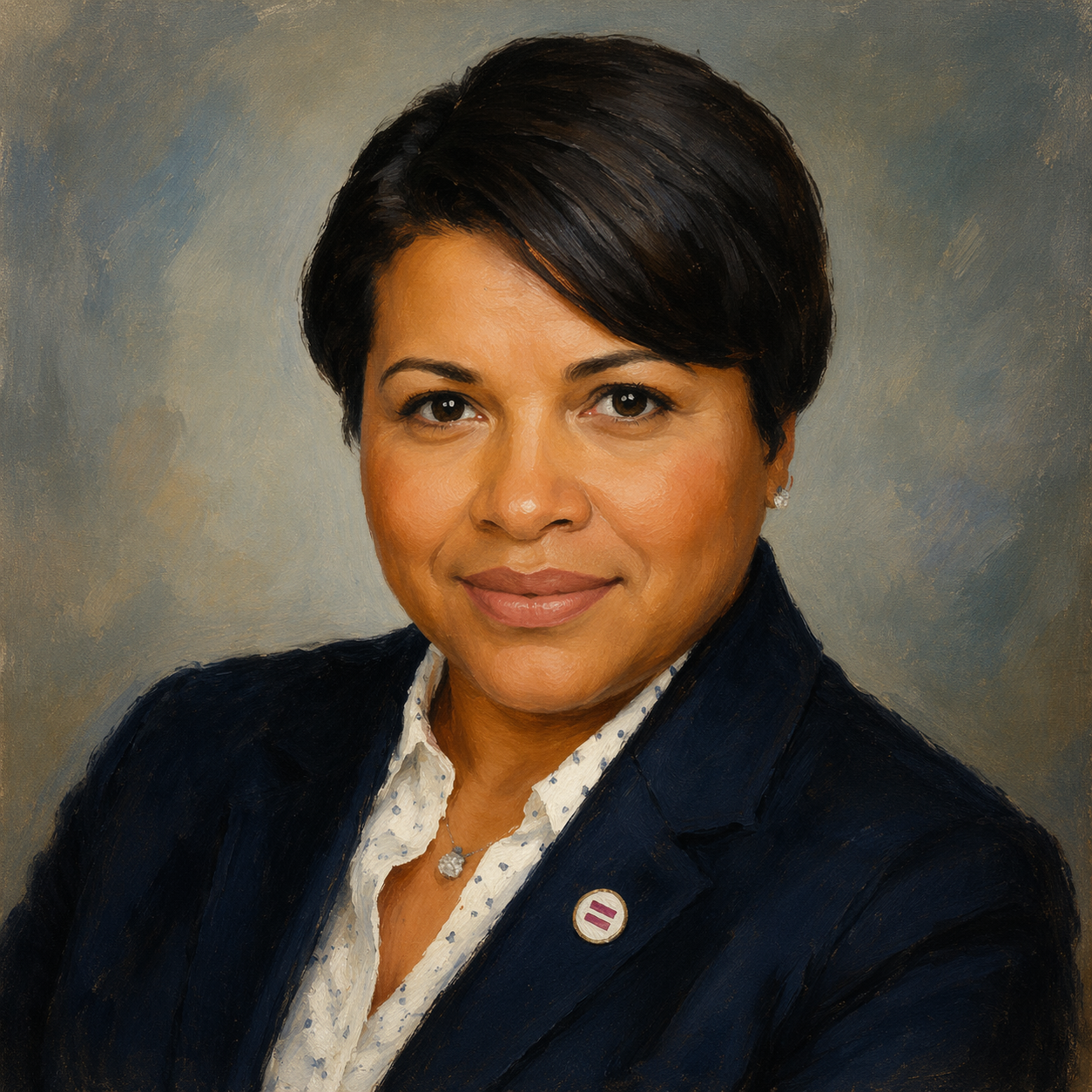
Candy Johnson made history as the first woman appointed President and CEO of the Urban League of Greater Chattanooga, leading the organization through one of the most dynamic and transformative periods in its modern history. Over the course of her four-year tenure, she secured more than $10 million in new investments, significantly expanding the organization’s capacity, visibility, and impact.
Her leadership was defined by a disciplined focus on growth, innovation, and long-term sustainability. She established the organization’s first individual giving circle, The President’s Society, successfully raising $50,000 in its inaugural year through a base of $1,000+ donors and laying the groundwork for a stronger culture of philanthropy.
Johnson also advanced the organization’s long-term infrastructure by securing funding for ULGC’s first permanent headquarters, a $3.8 million community hub that brought the organization closer to establishing a lasting physical presence, with only $650,000 remaining at the close of her tenure. She further strengthened financial stability by securing the largest unrestricted gift in the organization’s history, a $2.6 million investment from Mackenzie Scott.
Programmatically, her tenure expanded the organization’s reach across workforce, education, and economic development. In 2022, she launched the Family Prosperity Workforce Initiative, leveraging public funding to return nearly $1 million directly to low-income households while supporting participants in earning industry-recognized credentials and accessing wraparound services.
She also reestablished and expanded ULGC’s entrepreneurship ecosystem through dedicated leadership, fully funded initiatives, and cross-sector partnerships, providing minority-owned businesses with access to education, seed capital, and growth resources.
In partnership with the Tennessee Department of Education and Hamilton County Schools, Johnson secured a significant three-year literacy grant in 2022, advancing early grade reading outcomes for K–3 students across the community.
A defining contribution of her leadership was the launch of the State of Black Chattanooga Report in 2022 and 2024, establishing a trusted, data-driven framework for understanding disparities and measuring progress, including the development of a Black–White Equality Index that continues to inform policy, philanthropy, and community action.
Her leadership also extended decisively into public advocacy during a critical moment for the organization and the community. In 2023, when ARPA funding clawbacks reversed critical investments intended for vulnerable populations, Johnson did not back down. She stepped forward as a clear, disciplined, and unapologetic voice, publicly challenging the effort and reframing the issue around accountability, equity, and the intended purpose of those federal resources.
Rather than allowing the conversation to remain political or procedural, she elevated it to a question of impact. Who loses if these dollars are pulled back, and what commitments are being broken to the community. Her leadership in that moment helped shift the narrative from budget mechanics to real-world consequences for families, workforce participants, and small businesses relying on those investments to stabilize and grow.
She mobilized partners, strengthened alignment across stakeholders, and reinforced the Urban League’s position not just as a service provider, but as a leading advocate for equitable public investment. The result was not only increased visibility and credibility for the organization, but a deeper level of trust and support from the community. It demonstrated that under her leadership, the Urban League of Greater Chattanooga would not only deliver programs, but would also stand firmly in defense of the resources and policies necessary to drive lasting economic mobility.
Under her leadership, the organization received national recognition, earning Affiliate of the Year honors from the National Urban League through the prestigious John W. Mack Award in 2024. Additionally, ULGC’s Project Ready program achieved national distinction, earning first place in the National Urban League competition for high school leadership and academic excellence.
Candy Johnson’s tenure represents a defining chapter in the organization’s history, marked by bold leadership, significant investment, and a modern approach to impact. She elevated the Urban League of Greater Chattanooga into a stronger, more visible, and more resourced institution, positioning it for continued growth and long-term sustainability.